
Insights on Neoantigen Vaccine Development from YGION's Chief Scientific Officer
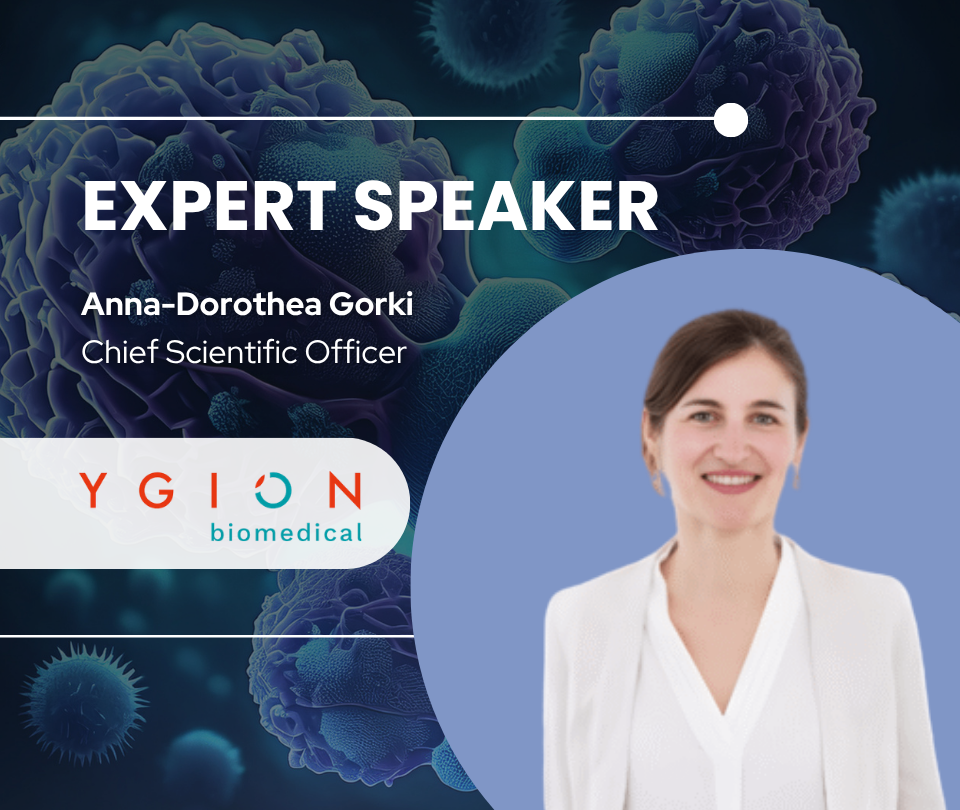
Neoantigen discovery has evolved rapidly over the last decade, what do you see as the biggest challenge still limiting the field today?
I see the biggest challenge as achieving durable, broadly effective responses while making personalized therapies feasible in practice. I think we still need to better prevent resistance by targeting a wider range of neoantigens to improve coverage. At the same time, I see overcoming the immunosuppressive tumor microenvironment as critical for sustaining T‑cell activity. Finally, I believe that improving the speed, scalability, and efficiency of manufacturing and delivering personalized immunotherapies remains a major bottleneck that the field still needs to address.
YGION is known for its focus on high confidence neoantigen selection, can you walk us through how your approach differs from conventional pipelines?
Our approach differs by tightly integrating neoantigen discovery, prioritization, and delivery into a single coordinated system. We combine our YGNITE™ discovery platform with our CARGONAUT™ immunotherapy technology to not only identify high-confidence neoantigens, but also directly target and activate antigen-presenting cells, break tolerance, and induce a rapid anti-tumor response. A key advantage is the spatial and temporal synchronization of antigen delivery and APC activation, which is often lacking in conventional approaches.
In YGNITE™, we also explicitly address false positives by estimating the probability that each neoepitope is truly immunogenic, evaluating all contributing factors individually rather than relying on simple ranking.
What are the biggest translational bottlenecks you face when moving neoantigen candidates from discovery into clinical programs?
One of the biggest bottlenecks is that, as a personalized approach, there is inherently a lack of in vivo models that fully mirror standard drug development, where a single defined drug is tested against a fixed target. While we do use in vivo models based on cancer cell lines, these cannot fully capture the patient-specific nature of neoantigens. So, we must primarily rely on advanced computational prioritization, and, importantly, collect as much high-quality translational and clinical data as possible in the first upcoming clinical trial to continuously refine and de-risk our approach.
Another key challenge is the manufacturing timeline versus disease progression. A critical question is whether a fully personalized therapy can be produced fast enough to benefit the patient in a clinically meaningful timeframe. This is why we deliberately focus on disease settings such as minimal residual disease or post-adjuvant treatment, where the timeline for n=1 manufacturing can be aligned with the clinical need.
How do you see regulatory expectations evolving for personalised neoantigen therapies, particularly in Europe vs the US?
I see regulatory expectations evolving significantly as agencies adapt to the complexity of personalized neoantigen therapies. In Europe, many regulators are encountering truly individualized approaches for the first time, which still creates some uncertainty and practical hurdles in trial design, assessment, and approval pathways. In contrast, the US has already taken some steps toward more flexible frameworks, particularly around platform-based approaches and expedited pathways.
Looking ahead, I think a key shift will be the need for regulatory frameworks that better acknowledge that each therapy is designed and manufactured for an individual patient. This will naturally require adapting requirements such as manufacturing and release testing so that they maintain safety while also being compatible with the clinical timeframe of personalized treatments.
What about the 9th International Neoantigen Summit are you excited for?
I’m excited to join key innovators driving cancer immunotherapy and to present our first program in glioblastoma. It’s a valuable opportunity to share early insights, exchange experiences, and collaborate on overcoming remaining challenges in neoantigen therapies.
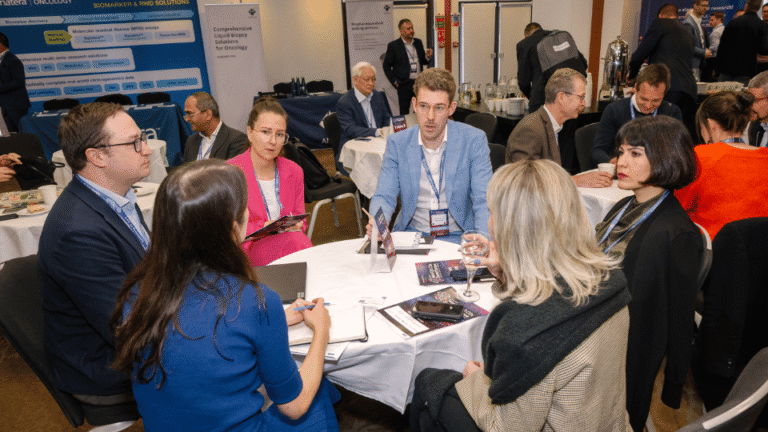
Explore the Previous Agenda
Hear the latest industry breakthroughs and gain exclusive insights during our packed agenda, interactive roundtables, and panel discussions.
Partner With Us
Position yourself alongside other leading solution providers to ensure your brand is at the heart of biopharma deals.
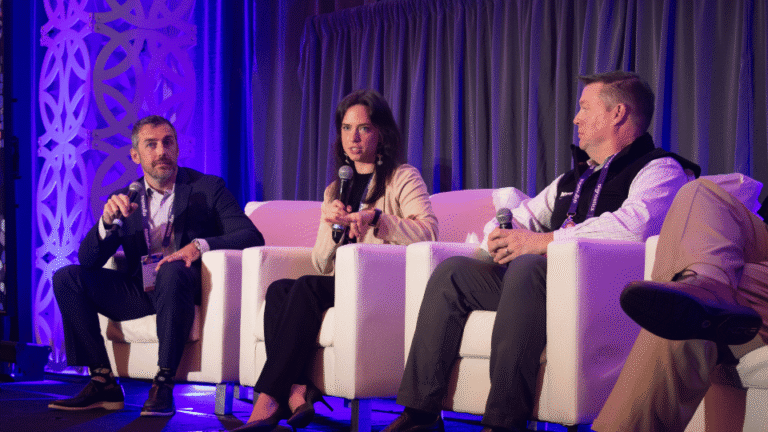
Join Biopharma Experts
Be part of the hottest conversations with like-minded attendees spanning all stages of drug development and make critical connections during our dedicated networking sessions